Shotaology

Shota research

  • About
What are little boys made of?

The Ontology of the Boy, or: What are little boys made of?

2024-03-27 by Karl 1 Comment

In the introduction to the book Kono shota ga sugoi (このショタがすごい!) from 1997, Shindōji Gun (真道寺軍) opens with this provocative question:

What are little boys made of?

Kono shota ga sugoi, p. 4
Introduction, page 4–5 in Kono shota ga sugoi (このショタがすごい!) by Shindōji Gun (真道寺軍), 1997.

The question evokes so many thoughts. At first, I think about the boy’s body. Like the rest of us, boys are made up of flesh and blood, bones and organs. But just by spelling this out, I realise what a bad answer it is. Of course boys are made of the stuff that makes all of us. Disgusting stuff that I don’t want to see. So why is the boy so great (or “sugoi”) when he’s made of the same things as the rest of us? Is it the composition of these things – the proportions in which the bones are held together? Is it the youthful lustre of the thin layer of skin that so perfectly wraps around the stuff we don’t want to see? Being so concrete about the answer makes me realise that what the question really asks is this:

What is the magic of boys?

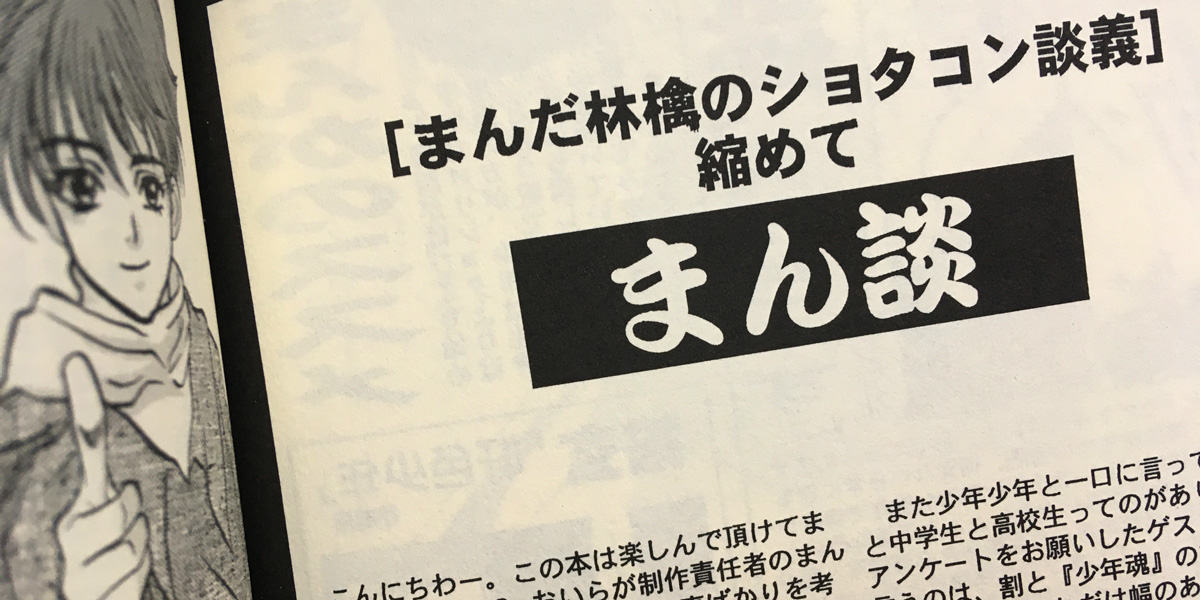
That question has been asked before in shota research. In 1996, Manda Ringo phrased it like this in the shota survey published in her book The Syotaroh:

Where does the magic of the boy reside?”

The Syotaroh, p. 15

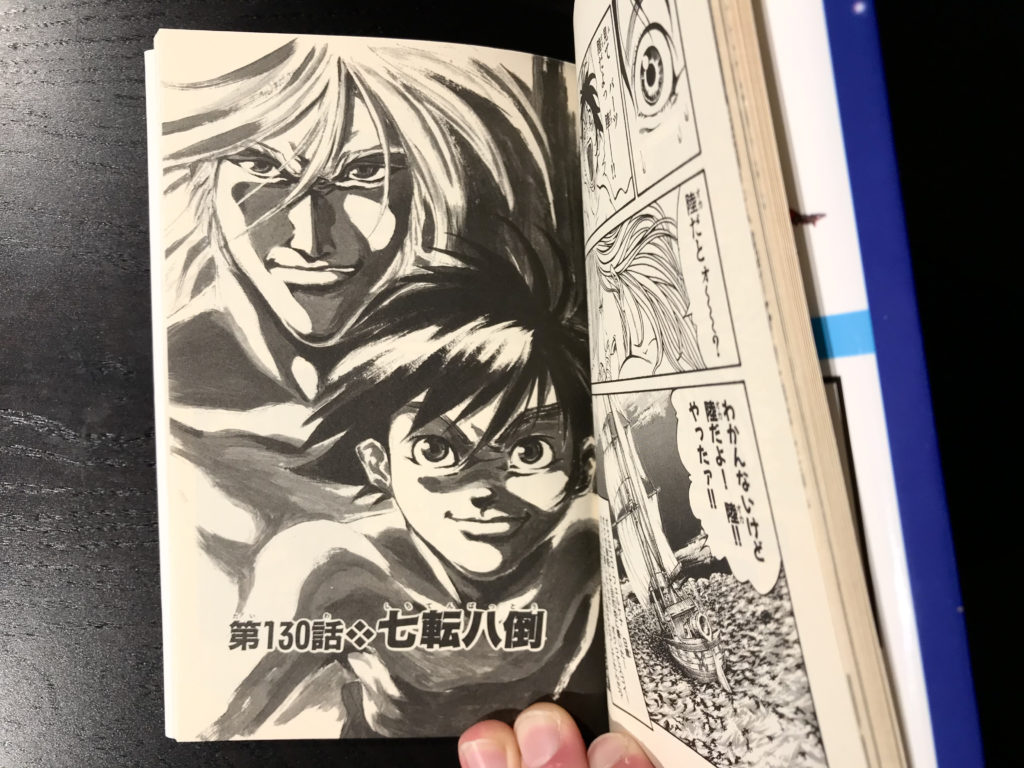
Popular answers included “smooth legs”, “thin limbs”, “beautiful face”, and “youthful skin”, but the number one answer, as entered independently by 13 respondents, was junsuisa (純粋さ), which can be translated as “purity” or “innocence”. This is something far more abstract than the physical attributes. It is something that is hard or maybe even impossible to grasp, and thus it is denoted as “magic”. But maybe one can try by way of examples. The introduction in Kono shota ga sugoi follows an illustration where the same question is posed – twice for impact:

Boys, what are they made of?
Ray guns and spacecrafts,
what’s more, robot monsters,
What a wonderful anything goes!

Kono shota ga sugoi, p. 3
What are little boys made of? Page 3 in Kono shota ga sugoi (このショタがすごい!) by Shindōji Gun (真道寺軍), 1997.

The text reads like a poem, and maybe poetry is the only way one can close in on questions about magic.

The continuous outpour of books and dōjinshi discussing shota reflects a will among shota fans to understand themselves. Like few other genres, shota seems to create a curious reflexivity among its readers, who are more diverse than readers of other comics. Women and men, young and old, straight, gay and bi, ask themselves: What is the magic of the boy?

In academic terminology, one might talk about the ontology of the boy, as a way to try to capture his very being. The passionate production of shota dōjinshi provides a unique chance to close in on this transient ontology called Boy: How old is he? (Twelve!) What does he look like? What hobbies does he have? Of course there are many answers depending on personal taste, but taken together, the expressions in these dōjinshi make up an important databank devoted to an ideal that never lets itself be captured, and which therefore keeps engaging us.

So I ask you: What is the magic of the boy? Reply in the comments or in the shota forum – and don’t forget to take the shota survey!

Filed Under: Research Tagged With: Manda Ringo, Shindōji Gun, shota, まんだ林檎, 真道寺軍

The Syotaroh

2024-03-26 by Leave a Comment

The Syotaroh is subtitled “syota-con magazin”, and that is exactly what this amazing book is. Mixing short comic stories, survey results, and guest contributions in the form of one-page questionnaires filled out with a pen, and laid out in an appetizing, crazy, yes passionate style, this is indeed a magazine for shotacons – published as early as August 1996.

I came across this book by way of Yoshimoto Taimatsu (吉本たいまつ), who gives it credit in his work “Another side of ショタアンソロジーを考える : 1994-1999 分析編” (yet to be reviewed). It seems to be very rare. I only found one copy which could only be bought through a flea market app with all kinds of restrictions – in the end I had a Japanese friend order it for me. But at least I got it and I’m now making my way through it, slowly and meticulously – and with joy!

The book starts – after a very sweet prologue comic – with the results of a survey taken by 82 shotacons – 63 women, 18 men, 1 okama. Their answers about their favourite age for boys (12-13), their favourite boy attributes (socks), their favourite boy characters (Romeo from Romeo no Aoi Sora/ロミオの青い空), as well as their thoughts on why they became shotacons provide a unique glimpse into this small and under-researched subculture.

I have just started reading this book and look forward to providing more details as I progress. Manda Ringo’s book seems to be a fantastic resource for shota researchers.

Filed Under: Book, Research Tagged With: research, shota

Erotic Comics in Japan

2024-03-25 by Leave a Comment

This is a book about eromanga. It contains two sections on shota: its history of shota and an analysis of its allure.

Here is an excerpt from an online review by “toumeioj3” that is slightly critical of the original Japanese version of the book:

引用されている画像はけっこうエロチックなのに、文体は非常に硬質、いささかのエロティシズムさえ寄せ付けない気配、この著者はエロマンガをどんな顔をして読んでいるのか、少し心配になった。マンガ文化に関心のある若い人には、この分野もお忘れなく、という意味でも一読をお勧めしたい好著、エロマンガを楽しんでいらっしゃる方には、無心に楽しめなくなるかもしれないので、敢えてお勧めしないでおこう。

toumeioj3 (2008)

The English translation by Patrick Galbraith and Jessica Bauwens-Sugimoto was released in 2020 by Amsterdam University Press. It contains a very helpful introduction by the translators, that helps place eromanga in the larger context of Japanese comics consumption for non-Japanese readers.

Nagayama’s book is a classic, and the entry-point for any inquiry into Japanese erotic comics. I highly recommend it. It’s available on Amazon:

  • Amazon.com
  • Amazon.co.uk
  • Amazon.ca
  • Amazon.de

Paid links: As an Amazon Associate I earn from qualifying purchases.

Filed Under: Research Tagged With: loli, shota

Gokujō danshi to kurashitemasu 2

Honour culture and fictional fiction in “Help, I can’t resist the super sexy boys I’m forced to live with!”

2024-03-14 by Karl Leave a Comment

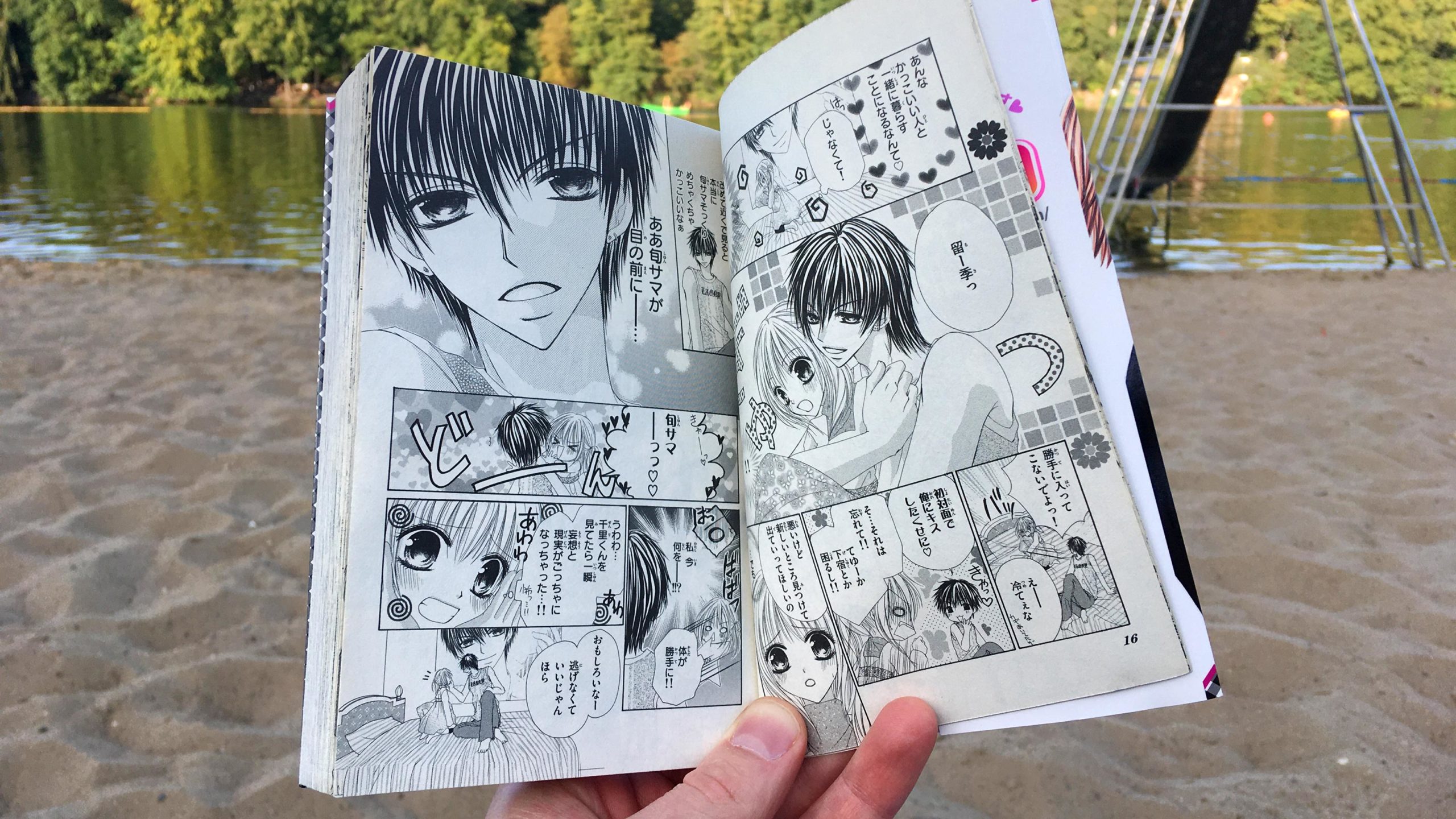
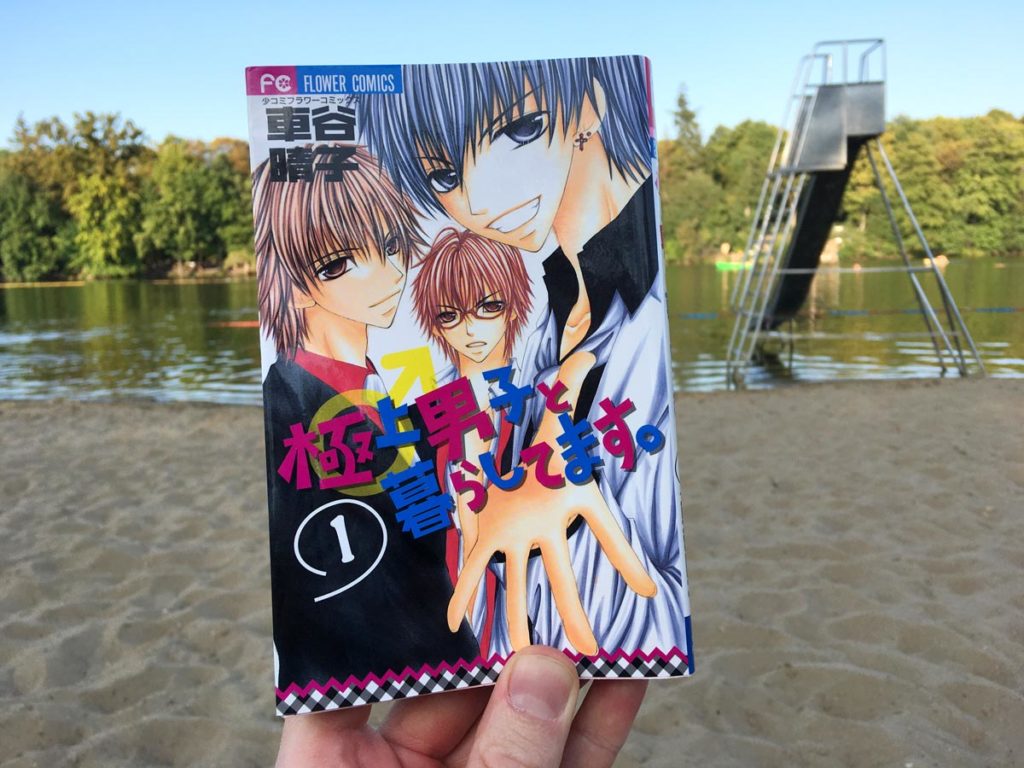
Springtime is for going to a park with a shōjo manga, but I’m almost having enough of Ruki, the protagonist of Kurumatani Haruko-sensei’s Gokujō danshi to kurashitemasu 2 (Shōgakukan 2007) – this time very freely translated by myself as Help, I can’t resist the super sexy boys I’m forced to live with! She’s such a crybaby, Ruki, always insecure about whether Senri-kun loves her or not. I mean, we can all relate, but the shōjo genre indulges in this theme like a sugary cake. It’s lovely. At times. And after a while you’ve had enough.

Even so, reading the second part of this two-tankōbon series is so enjoyable and interesting. A couple of observations:

Honour galore

Whenever people criticise “cultures of honour” for protecting the purity of their women, the assumption is that their own enlightened culture has done away with such misogynistic traits. But honour is a facet of all cultures. It always bubbles underneath, but is only noted when it comes out in a particularly brutal way. A functionalist would probably say that the function of honour is to make relationships work in a way that is productive for society.

Shōjo manga revels in honour, and shows how girls and boys alike use it to manifest their love. Gokujō danshi to kurashitemasu 2 provides a beautiful example of this. The whole setup is a “reverse harem” in which 16-year-old Ruki is constantly courted by super sexy boys, to the despair of her boyfriend Senri-kun, whose sole task it seems to be to protect Ruki from the horny boys lest she succumbs to their moe-ness. Since they are all living together, this means Senri-kun must keep an eye on Ruki at all times. But as soon as he’s out of the room – he has to go to the bathroom after all – the boys are at it, and Senri-kun comes back only to see his Ruki violated. And this is what he expresses in rage at such an occasion:

I’ll make sure that you won’t get the slightest opportunity to touch Ruki. … I won’t hand over Ruki to you or anyone else. I won’t let anyone touch her. She’s only my thing and I will protect it!

Gokujō danshi to kurashitemasu 2, p. 38-39.

Okay, I took some liberties when translating the last line. It should of course be “She’s only mine and I will protect her”. The Japanese mon is used as an intensifier, but it is derived from mono, meaning thing, and the objectification of Ruki adds to the honour concept: She is owned by him, and a man’s honour is slighted if another man encroaches on his property. While this kind of objectification of women is sometimes criticised, it is also the driving force of shōjo manga, and Senri-kun’s passionate speech about protecting his property results in Ruki expressing “Oh Senri-kun, I love you!” on the next page. Owning someone feels good, but so does being owned! Shōjo manga sums up the dynamics of heterosexual love so blatantly that it can’t be ignored.

But the owning goes two ways. A couple of chapters later it’s time for the culture festival at the school. Ruki and Senri-kun are in the same class, and the class decides that their contribution to the festival will be a cosplay host club, where the class’s sexy boys dress up as waitors and serve female customers. This seems to be a real facet of Japanese school life, as maid cafés often feature at school festivals in animes – talk about being schooled into roles in society! And talk about having an established framework for the appreciation of young boy beauty. In any case, Ruki is devastated that other women will touch Senri-kun. She protests against the host club idea until she realises that the cosplay aspect means she will be able to see Senri-kun in some kind of sexy outfit. But of course, as soon as she sees him serving (and courting) female customers, she turns again and becomes the crybaby that I’m starting to get sick of.

A manga in a manga

The next chapter begins with Ruki coming crying to Senri-kun in their house. He asks what’s bothering her, and she explains:

In this month’s issue of Sho-comi, Shun-sama and Ai-chan separated!

Gokujō danshi to kurashitemasu 2, p. 127.

Shun-sama is the fictional boy that Ruki was in love with and mixed up with Senri-kun when they first met. A footnote explains that Ai-chan is Shun-sama’s partner (aite-yaku), so I guess it’s a Boys Love manga. This is but another example of how fictional and actual realities interact – within the same work of fiction! It’s like a Russian matryoshka doll: The reader of this manga is reading about a reader of another manga. It seems to me that there is much thinking about fictional and actual realities in Japanese popular culture, and that young people are fostered into this discussion through its steady emergence on the pages of shōjo and probably other manga.

What do you think? Share your thoughts and experiences in the comments or in our shota forum!

Filed Under: Commercial, Shōjo Tagged With: Kurumatani Haruko, 車谷晴子

ショタリポート①

2024-03-10 by Leave a Comment

This dōjinshi presents the first results of interviews I have made with Japanese male shota fans as part of my master’s research in anthropology. The booklet is divided into these sections:

  • Presentation of the participants
  • Preferred ages
  • Preferred type of shota
  • Sexuality and lifestyle
  • Real shota

Although the interviews were made separately, both over email and in physical meetings, I have intertwined the answers to create the feeling of a conversation between the participants. I have also drawn sketches of the participants to support this feeling.

And since this is a dōjinshi, I have also created my own character, Tarō-kun, who adorn several of the pages. Drawing my own character was also a way for me to come closer to the mindset of shota artists. It was actually a very overwhelming experience to come up with Tarō-kun and let him take various forms and expressions through my pen. It felt like giving life!

Shota Ripōto 1 premiered at Shotafes 5 in Yokohama on 16 February 2020. Many of the buyers showed interest in the study, and in the following weeks I met some of them to conduct further interviews.

A separate English translation is available as a simple folded leaflet.

Learn more about shota comics

Impossibly Cute Boys

Shota Ripōto 1 is sold out, but I present a much more comprehensive account of my shota research in my book Impossibly Cute Boys, which you can get at the Amazon site of your choice:

  • Amazon.com
  • Amazon.co.uk
  • Amazon.de
  • Amazon.fr
  • Amazon.es
  • Amazon.it
  • Amazon.nl
  • Amazon.co.jp
  • Amazon.com.br
  • Amazon.ca
  • Amazon.com.mx
  • Amazon.com.au
  • Amazon.in
  • Amazon.se
  • Amazon.pl
  • Amazon.com.be

Paid links: As an Amazon Associate, I earn from qualifying purchases.

Filed Under: Dōjinshi, Research Tagged With: research, shota, Shotafes 5

Boys with swords: Wataru, Toraoh, Yoh-kun

Young boys with big swords – phallic symbolism in Wataru and Shaman King

2024-02-23 by Karl Leave a Comment

A boy’s greatest desire is to become a man. This theme therefore permeates virtually all boys’ manga and anime – only the execution varies. Especially robot anime feeds on this desire, where the robot represents the man that the boy admires, wants to learn from, fight alongside with, and eventually become. The robot is an externalisation not only of the boy’s desire, but of his potential: Eventually, all boys will become men, but this is a complicated process, a process that engages not only the boy himself but all of society. Hence the focus on male coming-of-age rituals in virtually all cultures and eras: The boy must be guided to manhood, and watching a semi-disguised version of that process in anime is what keeps us glued to the screen year after year. Probably it provides us with solace to see new generations of boys being fostered into men, thus implicitly convincing us that the world will continue to exist.

This process is beautifully captured in the transformation sequence of robot anime. That’s where the magic happens, and isn’t the boy’s transformation into a man a kind of magic? The boy’s greatest desire logically receives the greatest care in the form of an advanced animation sequence, a real treat for the eye, accompanied by powerful music. The sequence often includes the boy summoning the robot by throwing a magical token, ejecting or ejaculating a piece of himself if you will, like a seed that gives birth to something greater, outside of himself – the man he will become. The boy is then shown (as in Wataru below) ascending into the inner core of the robot, from where they will control its huge limbs. Boy and robot – boy and man – have become one: Only so can they fight the enemy and save the world.

This process includes overt symbolism. Most obviously, the boy always sports a long and powerful sword (in Granzort we even see it grow), the swinging of which to eliminate the enemy marks the “orgasm” of each episode. If you haven’t got it yet, the sword of course symbolises the boy’s penis, or phallos with a fancier word.

Wataru
Nine-year-old boy Wataru grabs his big … sword.

Once you’ve understood that, the story makes more sense, since all boys and men are obsessed with their penises. So whether they “get it” or not on a conscious level, seeing a boy swinging a long object fills male viewers (maybe female too, in a different way) with satisfaction. We’re not only seeing the slaying of a villain – we’re watching the supreme victory of our own sex! And it’s big. Very big. And so it taps into the fascination and desire of every single boy out there: The fascination with the growing capability of their own body part, and the desire that it will one day grow bigger than the little miniscule appendix they are stuck with as boys. Or in short: That they will one day become men.

The desire fueling the imagery of boys with swords is evident in anime 30 years apart: Wataru (1988), Granzort (1989) and Boku no Hero Academia (2019). I’m not much of an anime buff, so you can probably find many more examples.

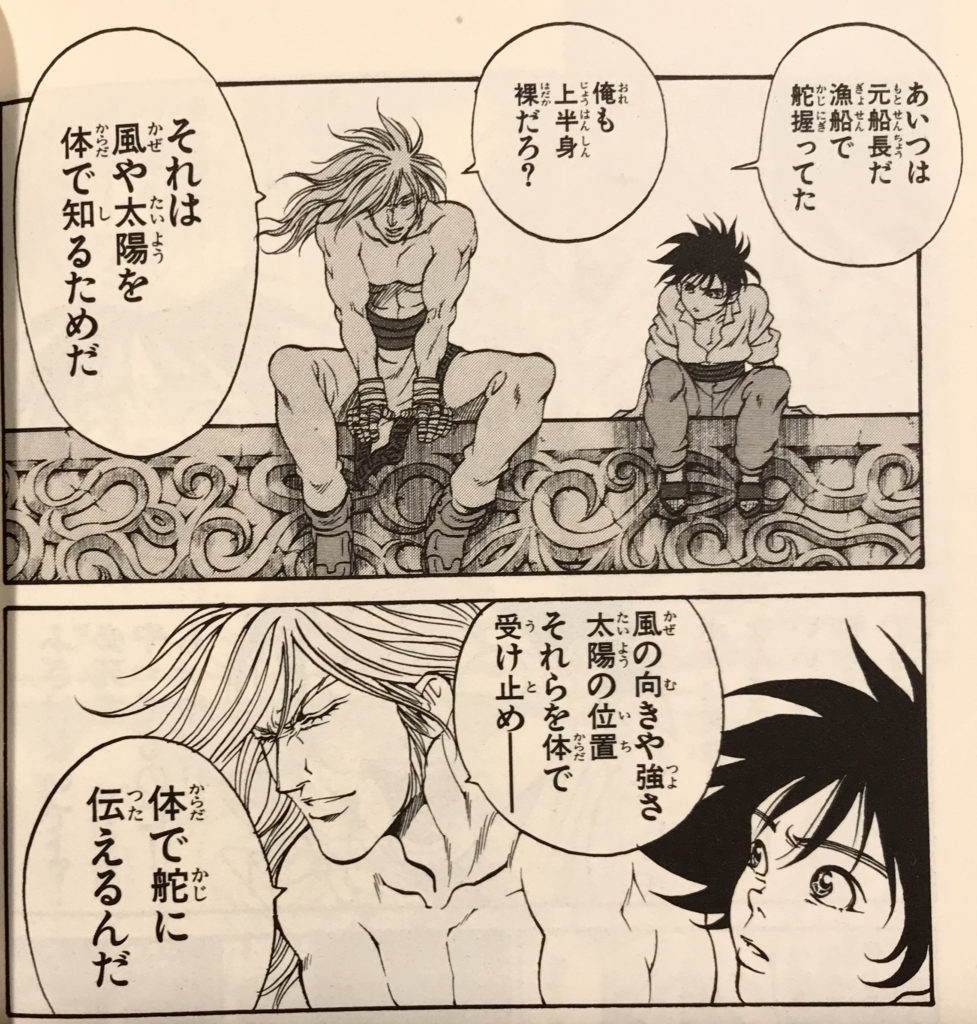
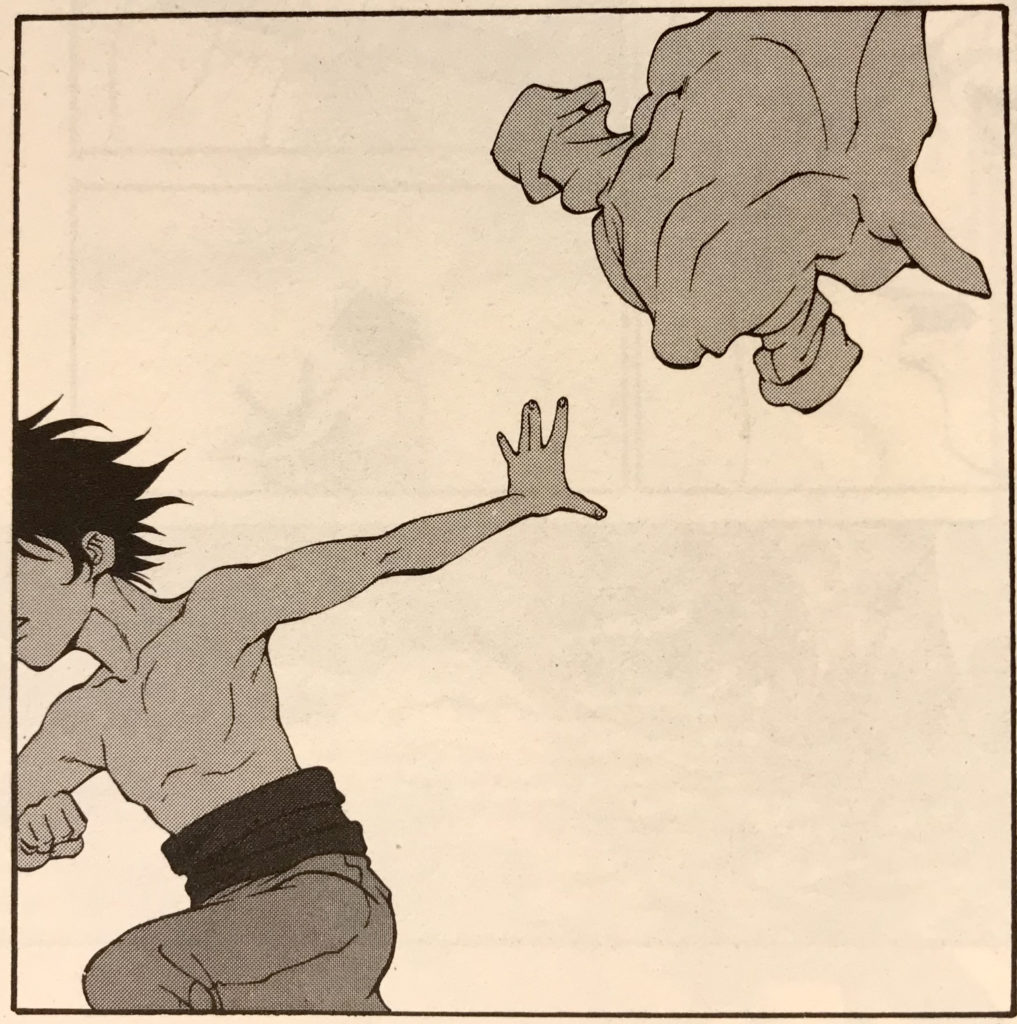
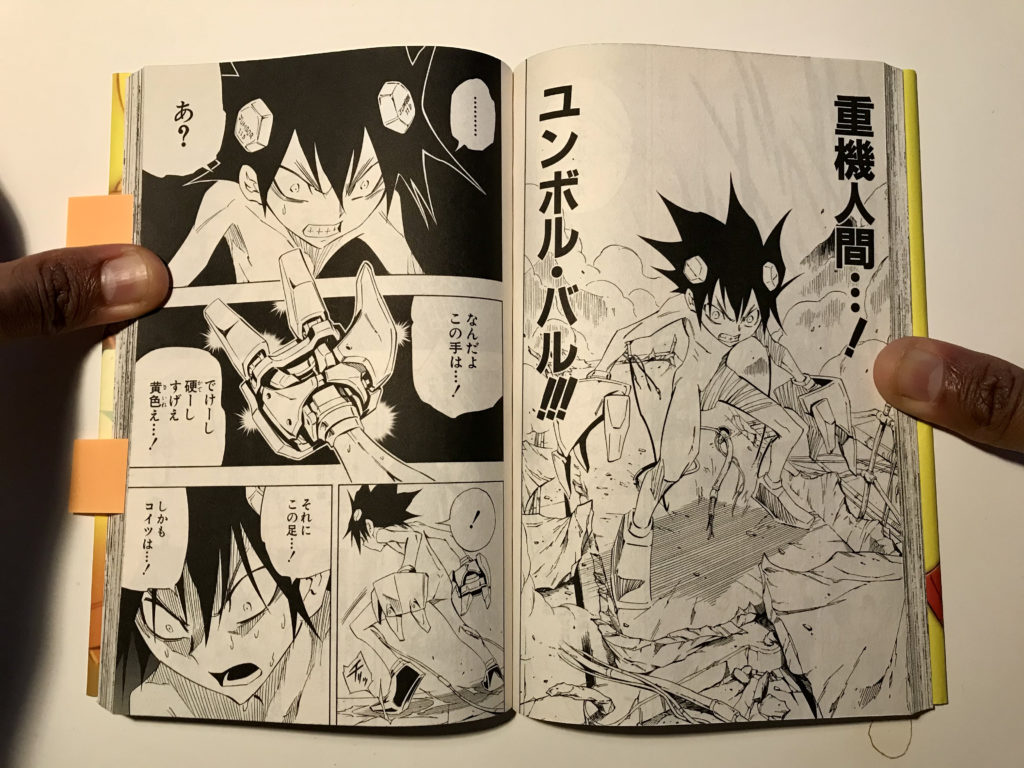
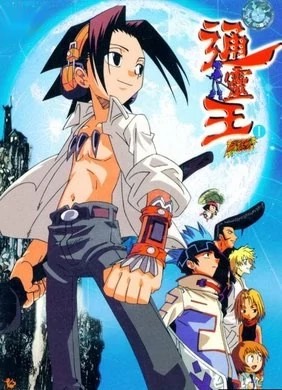
Shaman King (1998–2004, by Takei Hiroyuki/武井宏之) is not a robot manga, but is fueled by the same manly desire: 13-year-old Yoh-kun merges with various men in the form of ghosts, who enter his body. Instead of controlling the robot, the boy’s body is here controlled by the man whose spirit has entered it. This frame with the boxer was cut out of the anime but well captures the man/boy dynamic of this idea:

Man on boy: Yoh-kun as a boxer.

The fact that several men can take advantage of Yoh-kun (or “have some fun with his body” as one of them put it) seems to be at odds with the idea that a boy should only have one man who guides him, but after a while the samurai Amidamaru accepts this role. Beyond the obvious symbolism of man-on-boy action (or man inside boy even), the manga also sports several phallic objects, most evidently the sword which Yoh-kun holds in the same iconic way as Wataru above:

13-year-old boy Yoh-kun grabs his big … sword. In the background Amidamaru.

There are lots of other phallic objects that are held and pointing in various suggestive ways throughout Shaman King, but whereas metal pipes and wooden planks are symbolic, the ihai (位牌), or “spirit tablet”, almost perfectly represents the size of a boy penis and is held in a way that reminds of masturbation:

Boy grabbing his hard … ihai. Note that something is going on in Yoh-kun’s pocket in the right frame.

Some frames are suggestive in a way that makes you wonder if you’re a pervert who sees “signs” everywhere. But seriously. The wooden stick in the bucket in this frame is simply a bit too perfectly positioned, don’t you think? Just squint your eyes …

Quite early on, Yoh-kun gets a rival in the form of Ren. Ren is equipped with a long halberd. You may want to squint your eyes again …

Yoh-kun’s rival Ren grabs his long … halberd.

It’s amazing to see when Ren gets going. He swings his halberd in such a confident and powerful way that my thoughts go to Murakami Takashi’s legendary sculpture My Lonesome Cowboy. This piece of art is brilliant in that it captures exactly what I have been trying to describe in this post, namely the underlying phallic desire in mainstream boy culture. The boy’s self-image of being an omnipotent, sperm-shooting demigod on his way to manhood is epitomised in Murakami’s sculpture. But look closely and you will be able to see the sperm of the lonesome cowboy running as a common white-greyish thread through so many manga works.

It should be mentioned that this is most probably not a conscious thought process in the creators of manga and anime. Although there are cases where shota and loli artists also create mainstream, non-sexual works, in most cases the desire that results in all these symbols probably works as a motor deep down, under the hood so to speak. It’s a societal desire, and creators are part of the society.

When I studied literary analysis at the university, someone (maybe it was me) asked: “But why do we have to interpret so much? Can’t we just ask the author what they meant, if they’re still alive?” The teacher replied: “No, because it doesn’t matter what the author intended. Our job is to analyse the work and find things in it that not even the author is aware of.” So that’s what I’ve done here. Tell me what you think and please contribute with your own observations!

Filed Under: Commercial, Research Tagged With: boy eroticism, Shaman King, Takei Hiroyuki, Wataru, ワタル, 武井宏之

  • « Previous Page
  • 1
  • 2
  • 3
  • 4
  • 5
  • Next Page »

My book about shota

https://www.youtube.com/watch?v=jBsDoCIyfiY
Shota Newsletter!
Join your shota friends – get notified of new posts and receive something extra in between.
No spam, unsubscribe at any time.

Book recommendations

You can find several of the books I refer to on this site on Amazon. As an Amazon Associate I earn from qualifying purchases if you use these links:

Shaman KingTakei Hiroyuki: Shaman King, vol 1–3. Takei-sensei is my favorite character designer, and if you start reading Shaman King, you’ll understand why. Available in English on Amazon.com, Amazon.ca, Amazon.co.uk.

Nagayama Kaoru: Erotic Comics in JapanNagayama Kaoru: Erotic Comics in Japan. The classic book about eromanga which both tells its history and discusses its contemporary status in Japan. Find it on Amazon.com, Amazon.co.uk, Amazon.ca, Amazon.de. (See my review here.)

Kimi Rito: The History of Hentai MangaKimi Rito: The History of Hentai Manga. The perfect complement to Nagayama’s introduction. Explores the expressions in Japanese eromanga. Find it on Amazon.com, Amazon.co.uk, Amazon.ca.

Recent posts

Kokoro Button: Kasuga-san and Kōga-kun! ココロ・ボタン

Call me by my first name: Intimate transgressions in Kokoro Button

2024-05-31

Gon Freecss in Hunter x Hunter shirtless

Homoerotic symbolism in Hunter × Hunter

2024-05-14

My own shota

My own shota

2024-04-15

What are little boys made of?

The Ontology of the Boy, or: What are little boys made of?

2024-03-27

Gokujō danshi to kurashitemasu 2

Honour culture and fictional fiction in “Help, I can’t resist the super sexy boys I’m forced to live with!”

2024-03-14

Boys with swords: Wataru, Toraoh, Yoh-kun

Young boys with big swords – phallic symbolism in Wataru and Shaman King

2024-02-23

3D shota boys

Survey: Do you like 3D shota? (3DCGショタが好きですか)

2024-02-18

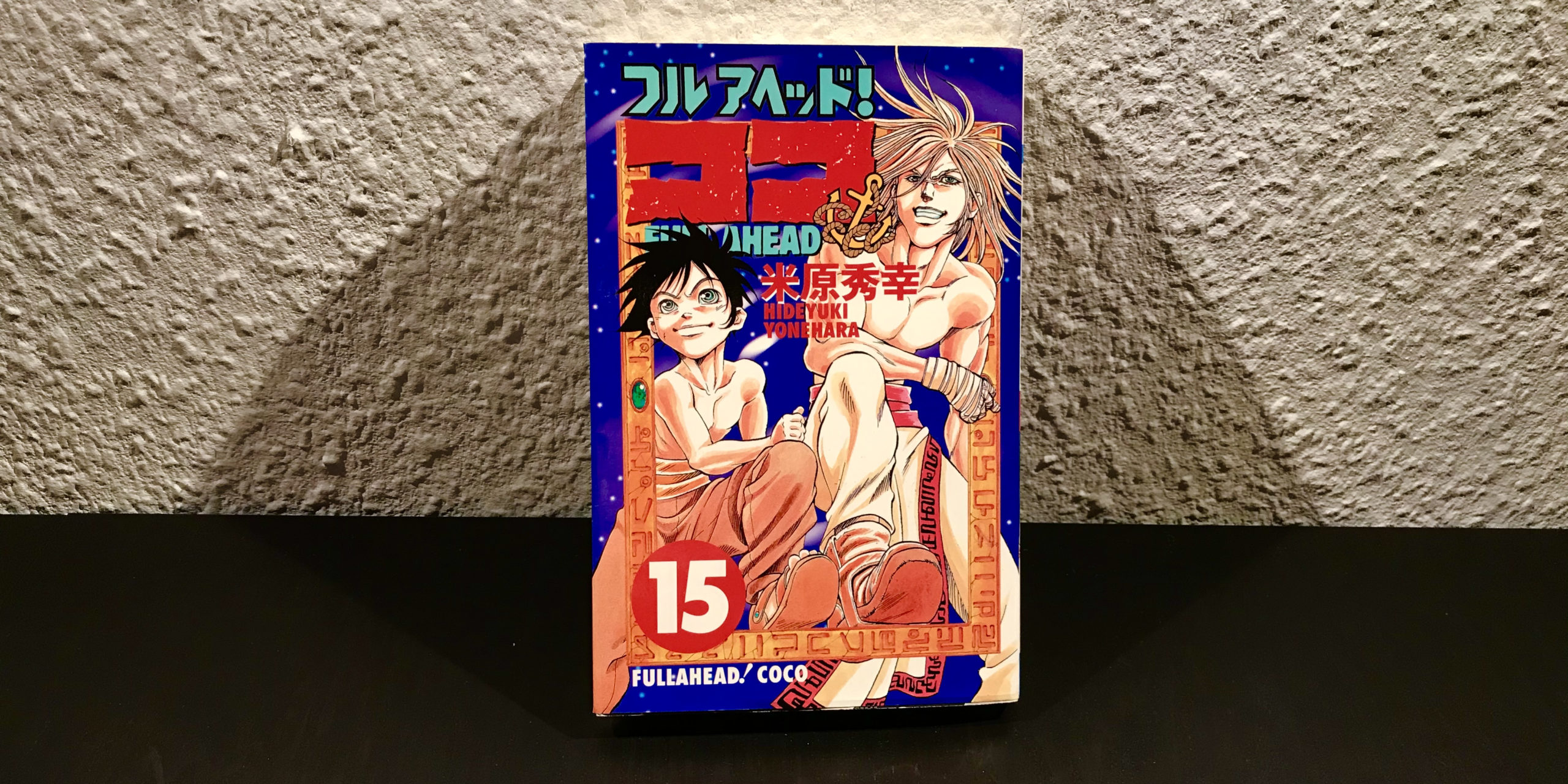
Full Ahead! Coco, volume 15, cover art

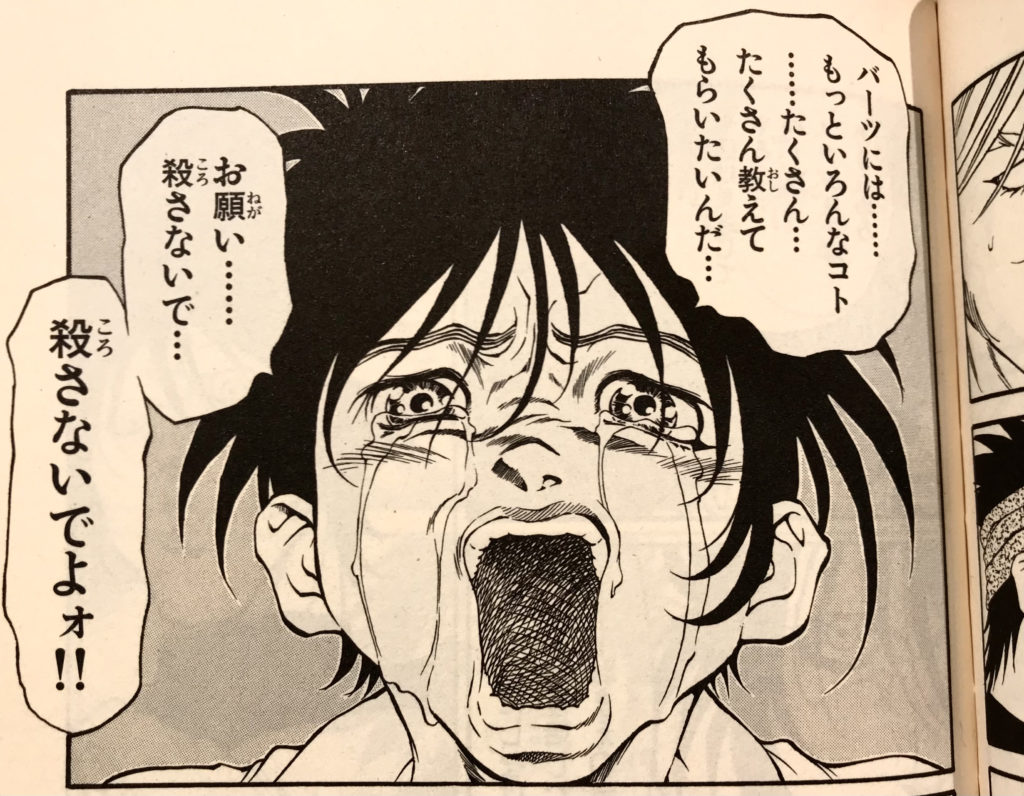
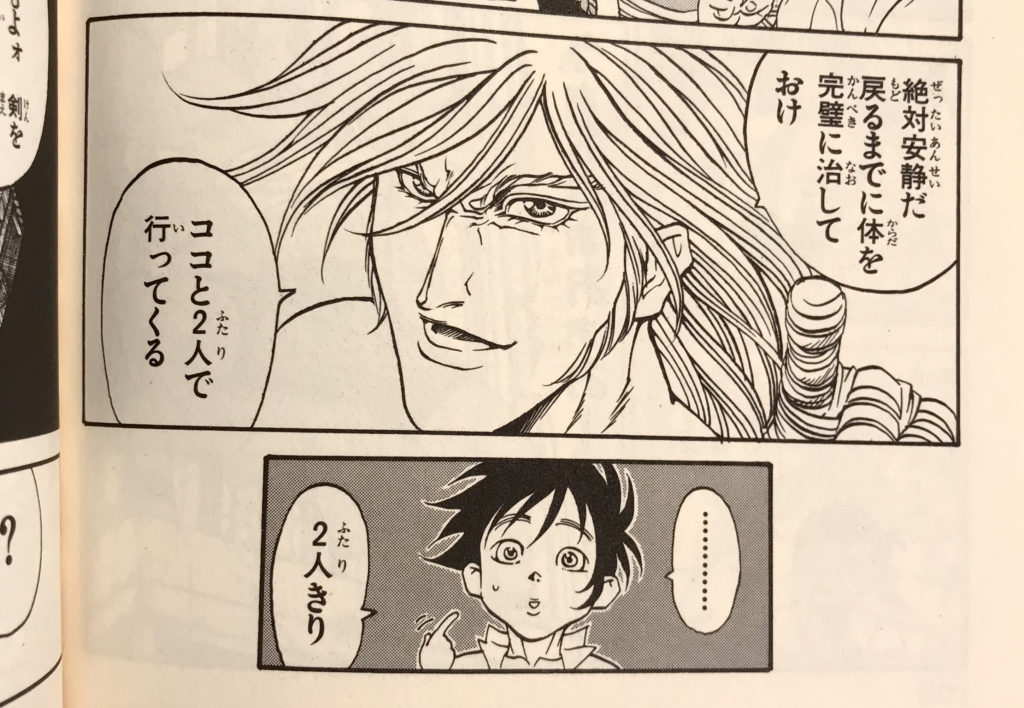
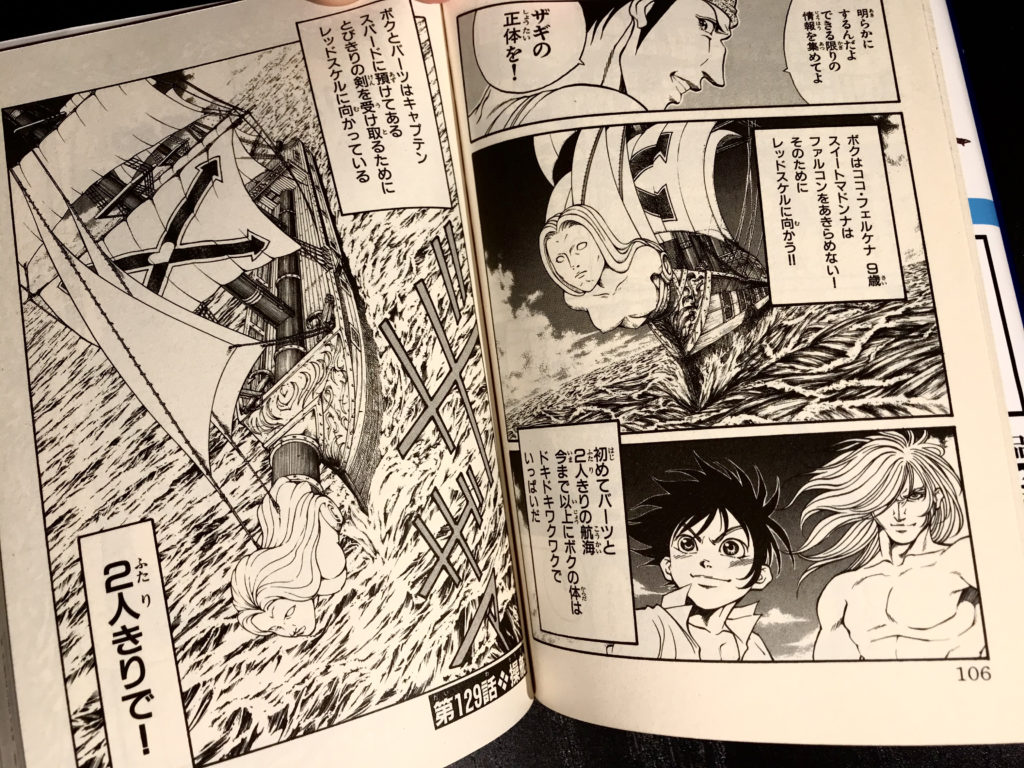
Man/boy romance in Full Ahead! Coco

2024-02-02

Jumbor Angzengbang 2, ユンボル 1, manga cover art

Jumbor and the eroticism of mainstream boys’ manga

2023-12-22

車谷晴子:「極上男子と暮らしてます。」(2007)

Real shota in “Yay, I’m living with a super sexy boy!”

2023-09-22

Reference library

ショタコンのゆりかご (book cover)

ショタコンのゆりかご

Author: ぶどううり くすこ

An essay on the origins of shota, published as a dōjinshi.

国際おたく大学―1998年 最前線からの研究報告

国際おたく大学―1998年:最前線からの研究報告

Authors: 岡田 斗司夫, 渡辺 由美子

An anthology on “otakuology” that contains Watanabe Yumiko’s important shota study.

吉本たいまつ:腐男子にきく。

腐男子にきく。

Author: 吉本 たいまつ

An interview study on male fans of BL and yaoi, published as a dōjinshi.

The Syotaroh by まんだ 林檎

The Syotaroh

Author: まんだ 林檎

An impressive work on the early shota subculture.

エロマンガ・スタディーズ

Erotic Comics in Japan

Author: 永山 薫

One of the main resources on adult manga.

ショタリポート①

ショタリポート①

The first part of an interview study of shota fans.

  • X

About This Site

This may be a good place to introduce yourself and your site or include some credits.

Meta

  • Log in
  • Entries feed
  • Comments feed
  • WordPress.org